AI Impact on Supply Chain Management 2026
Discover how AI reduces stockouts and cuts supply chain costs. Real-world impact analysis and automation strategies for ecommerce brands.
Hylke Reitsma is co-founder of Forthsuite and a supply chain specialist with 8+ years of hands-on experience at Shell, Verisure, and Stryker. He holds an MSc in Supply Chain Management from the University of Groningen and writes practical guides to help e-commerce teams run leaner, faster supply chains. Selected by Replit as 1 of 20 founders for the inaugural Race to Revenue Cohort #1 (2026) and certified as a Replit Platform Builder.
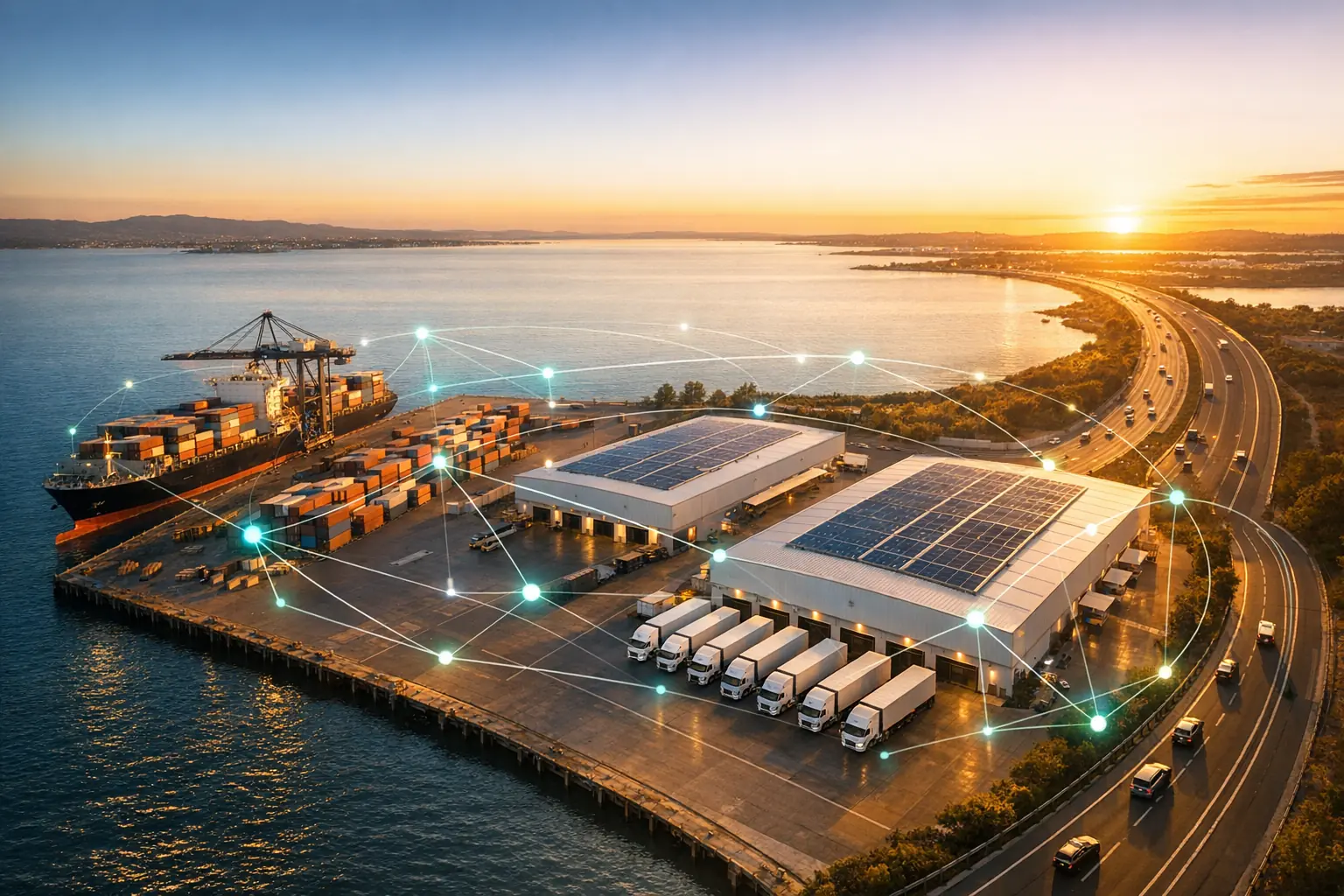
AI Impact on Supply Chain Management: 2026 Analysis
Quick answer: AI is reshaping supply chain management by automating decisions, sharpening demand forecasts, and optimising operations across planning, warehousing, and logistics. With predictive analytics, teams anticipate demand to prevent stockouts and overstock, cut costs, and respond to disruption faster than manual, reactive processes allow.
TL;DR: AI is moving supply chains from reactive to predictive — better forecasts, automated warehousing, and smarter logistics. Forthcast brings this to Shopify stores by forecasting demand with seasonality and trend detection, then surfacing reorder-point alerts before stockouts occur.
Last updated: July 2026
Quick answer: AI is reshaping supply chain management by automating decisions, sharpening demand forecasts, and optimising operations across planning, warehousing, and logistics.
- Predictive demand forecasting reduces both overstock and understock, improving availability
- AI-driven warehouse automation and route optimisation cut errors and speed throughput
- Real-time data improves resilience — earlier signals mean faster response to disruption
Artificial Intelligence (AI) is reshaping industries, and its impact on supply chain management is nothing short of transformative. In today’s competitive e-commerce and retail landscape, organisations are leveraging AI to streamline operations, enhance decision-making, and address challenges like stockouts, overstocking, and supplier inefficiencies. This article delves into how AI has evolved in supply chain management, its real-world applications, and the challenges businesses face in adopting these technologies.
The Evolution of AI and Its Role in Supply Chain Decisions
Supply chain decision-making has significantly progressed over the decades, driven by advancements in technology. Here's a brief timeline:
- 1950s: Decision-making relied heavily on operational research techniques and mathematical models, such as linear regression and causal forecasting.
- 1980s: The adoption of computers introduced new models, increasing the efficiency of decision-making processes.
- 2000s: The emergence of Enterprise Resource Planning (ERP) systems like SAP and Oracle revolutionized data handling and resource planning.
- Post-2020: The integration of AI, machine learning, and IoT has been game-changing, enabling real-time data collection, predictive analytics, and optimisation like never before.
AI-driven tools now complement or replace traditional methods by combining data-rich insights with machine learning algorithms. This shift has created more responsive, efficient, and dynamic supply chains capable of adapting to today's fast-paced market demands.
sbb-itb-499c055
AI Applications in Modern Supply Chains
AI offers a wide range of practical applications that are transforming supply chain operations. Below are some notable use cases across prominent organisations:
1. Predictive Analytics for Demand Forecasting
- Example: Nestlé utilizes predictive analytics to forecast demand with greater accuracy, reducing both overstocking and understocking.
- Impact: Improved product availability and minimised inventory waste.
2. Warehouse Automation
- Example: Amazon employs automated storage and retrieval systems (AS/RS) and automated guided vehicles to streamline warehouse operations.
- Impact: Reduced human error and increased throughput efficiency in warehouses.
3. Route Optimisation for Logistics
- Example: UPS integrates AI-driven route planning models to optimise delivery routes.
- Impact: Enhanced fuel efficiency, timely deliveries, and a reduction in environmental footprints.
4. Digital Twins and Simulation
- Example: Tesla uses digital twins to simulate production workflows and pinpoint potential risks.
- Impact: Reduced accidents on shop floors and improved production efficiency.
5. Blockchain for Supply Chain Transparency
- Example: Walmart leverages blockchain to ensure traceability and transparency when sourcing items through its supply chain.
- Impact: Enhanced supplier accountability and streamlined procurement processes.
6. Supplier Performance Monitoring
- Example: Walmart also employs smart spend analysis to evaluate supplier performance, ensuring collaboration with the most reliable partners.
- Impact: Automated supplier management and optimised procurement.
These examples showcase how AI empowers businesses to meet customer expectations, streamline complex processes, and gain a competitive edge.
Benefits of AI Integration in Supply Chain Management
Organisations integrating AI into their supply chains report numerous benefits, including:
- Enhanced Customer Satisfaction: Predictive models ensure products are available when customers need them.
- Operational Efficiency: Warehouse automation reduces human errors and increases processing speeds.
- Cost Savings: AI-driven logistics and route optimisation lower transportation costs and fuel consumption.
- Risk Reduction: Digital twins and simulations prevent workflow disruptions and production errors.
- Transparency and Trust: Blockchain fosters accountability across supply chain networks, ensuring ethical and reliable sourcing.
These advancements not only improve efficiency but also help organisations align with sustainability goals by reducing waste and environmental impact.
Challenges in Adopting AI in Supply Chains
Despite its transformative potential, implementing AI in supply chains comes with challenges that businesses must address:
1. High Implementation Costs
- Developing and deploying AI technologies, whether through general platforms like Amazon Web Services or tailored solutions such as IBM Watson, can be prohibitively expensive.
- Smaller suppliers in the supply chain may face financial constraints, creating synchronization issues.
2. Data Governance and Security Risks
- AI systems rely on extensive data collection, making them vulnerable to cyberattacks and data breaches.
- Case Study: The 2017 ransomware attack on Maersk, one of the largest shipping companies, cost the company $300 million in recovery efforts.
3. Human Resistance to Change
- AI often results in workforce displacement, leading to societal pushback and government scrutiny.
- Organisations must balance technological advancements with ethical considerations and workforce upskilling.
4. Integration and Synchronization Challenges
- Ensuring seamless integration between AI systems and existing technology, especially for supply chain partners using disparate systems, can be complex.
These challenges require strategic planning, collaboration, and investment to overcome. Organisations must also consider regulations and ethical implications while adopting AI solutions.
Key Takeaways
- The evolution of supply chain decision-making has shifted from traditional models to AI-driven processes powered by machine learning and IoT technologies.
- AI applications such as predictive analytics, warehouse automation, and blockchain are streamlining operations and driving efficiency.
- Real-world examples - Amazon, UPS, Tesla, Walmart, and Nestlé - demonstrate the tangible benefits of AI in the supply chain, including cost savings, reduced risks, and improved customer satisfaction.
- Challenges such as high costs, data security risks, and workforce displacement must be addressed to fully realise AI’s potential.
- Businesses should focus on long-term strategies that include workforce training, cybersecurity measures, and collaboration across supply chain partners.
Conclusion
The integration of AI into supply chain management is not just a trend - it’s a necessity for surviving and thriving in today’s dynamic business environment. While challenges remain, the potential benefits of AI-driven optimisation far outweigh the risks. For e-commerce professionals and decision-makers, leveraging AI can transform supply chains into agile, data-driven systems that respond proactively to market demands.
Adopting AI is no longer just about gaining a competitive edge; it’s about ensuring resilience and sustainability in an ever-changing global marketplace. By understanding both the opportunities and challenges, businesses can position themselves for long-term success in the AI-driven future of supply chain management.
Source: "Modern Supply Chain & Artificial Intelligence (AI)" - Dr. Naveed Ahmed Khan, YouTube, Jan 3, 2026 - https://www.youtube.com/watch?v=SSan4UOVii8
Forecast demand and avoid stockouts — Forthcast for Shopify.
Frequently Asked Questions
How is AI transforming supply chain management in 2026?
AI is revolutionizing supply chain management through predictive analytics, automated demand forecasting, and real-time inventory optimisation. Machine learning algorithms analyse historical sales data, seasonal trends, and market conditions to predict future demand with unprecedented accuracy. This enables businesses to reduce stockouts, minimise excess inventory, and improve cash flow while responding faster to market changes and customer needs.
What are the main benefits of AI-powered inventory forecasting?
AI-powered inventory forecasting delivers significant cost savings by reducing overstock and preventing stockouts. It improves forecast accuracy by 30-50% compared to traditional methods, optimises warehouse space utilization, and enhances customer satisfaction through better product availability. Additionally, AI systems continuously learn from new data, adapting to changing market conditions and seasonal patterns automatically without manual intervention.
Can small e-commerce businesses benefit from AI supply chain tools?
Absolutely. Modern AI supply chain solutions are designed for businesses of all sizes, including small e-commerce stores on platforms like Shopify. These tools automate complex forecasting tasks that previously required dedicated analysts, making sophisticated inventory management accessible and affordable. Small businesses gain enterprise-level insights without enterprise costs, leveling the playing field and enabling them to compete more effectively.
What data does AI need for accurate supply chain predictions?
AI supply chain systems analyse multiple data sources including historical sales records, seasonal trends, promotional calendars, market conditions, and external factors like weather or economic indicators. For e-commerce businesses, this includes order history, product variants, customer behaviour patterns, and fulfillment times. The more quality data available, the more accurate predictions become, though modern AI can deliver value even with limited historical data.
How quickly can businesses see ROI from AI supply chain implementation?
Most businesses see measurable ROI within 3-6 months of implementing AI supply chain solutions. Initial benefits include reduced emergency shipping costs, fewer stockouts, and decreased overstock situations. The financial impact grows over time as the AI system learns your business patterns and refines predictions. Many Shopify merchants report 20-40% reduction in inventory costs and improved cash flow within the first year of adoption.
How is AI changing supply chain management?
Artificial Intelligence (AI) is reshaping industries, and its impact on supply chain management is nothing short of transformative. Forthcast re-runs its demand forecast for Shopify stores every 24 hours and surfaces buffer breaches early, before they turn into lost-sales stockouts.
About the Author

Hylke Reitsma is co-founder of Forthsuite and a supply chain specialist with 8+ years of hands-on experience at Shell, Verisure, and Stryker. He holds an MSc in Supply Chain Management from the University of Groningen and writes practical guides to help e-commerce teams run leaner, faster supply chains. Selected by Replit as 1 of 20 founders for the inaugural Race to Revenue Cohort #1 (2026) and certified as a Replit Platform Builder.
LinkedIn